Best Hiking and Scenic Routes in the Nordics
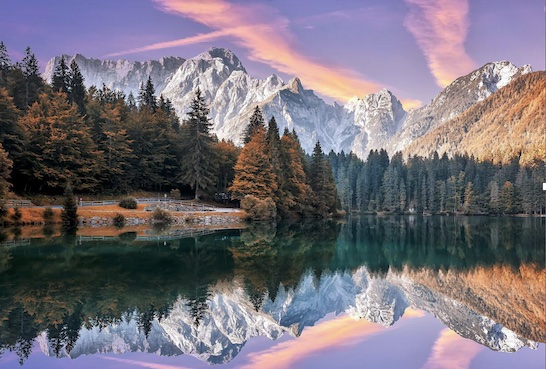
The Nordic countries are home to some of Europe’s most diverse hiking landscapes, ranging from dramatic mountain ridges and coastal cliffs to quiet forests and volcanic terrain. Each region offers a different experience, making it possible to choose trails that match varying fitness levels, interests, and travel styles. Understanding the characteristics of each destination helps travelers select routes that align with both the season and the type of outdoor adventure they want.
How to Choose the Right Nordic Hiking Destination
Every Nordic country has distinct natural features, climate patterns, and trail systems that influence the overall hiking experience. Travelers interested in guided outdoor vacations often compare available itineraries through https://nordicsaga.com/ when selecting organized hiking tours that combine transportation, accommodations, and regional expertise. Matching the destination to personal experience and seasonal conditions makes each journey safer and more enjoyable.
- Norway is known for steep mountain hikes, dramatic fjords, and panoramic viewpoints.
- Sweden offers extensive forest trails, national parks, and well-maintained long-distance routes.
- Finland features peaceful woodland paths, thousands of lakes, and relatively gentle terrain.
- Iceland combines volcanic landscapes, geothermal valleys, glaciers, and black sand scenery.
- Denmark provides accessible coastal walks and rolling countryside suitable for relaxed hiking.
Choosing a destination involves more than selecting famous landmarks. Trail difficulty, weather variability, available infrastructure, and transportation options all affect the overall experience. Evaluating these practical factors before departure allows hikers to spend more time exploring nature and less time solving logistical challenges.
Scenic Routes That Reward Every Step
Some Nordic hiking routes are valued not because they are the most difficult but because they showcase remarkable natural diversity within a relatively short distance. Coastal paths, alpine ridges, waterfalls, and protected national parks allow visitors to experience changing landscapes throughout a single hike. Many of these routes are clearly marked, making them accessible to travelers with moderate outdoor experience.
- Select trails with official markings and regularly maintained paths.
- Carry layered clothing since weather conditions may change quickly.
- Begin hikes early to avoid crowded viewpoints during peak travel months.
- Bring sufficient water and energy-rich snacks for longer routes.
- Respect local conservation guidelines by staying on designated trails.
Preparation contributes directly to the quality of a hiking trip. Even well-known routes can become challenging when visibility decreases or temperatures shift unexpectedly. Reviewing current trail conditions and local recommendations before setting out helps reduce unnecessary risks while protecting fragile natural environments.
Practical Tips for Hiking Responsibly
Responsible hiking supports both personal safety and long-term environmental conservation. Staying on established trails prevents erosion, while carrying reusable equipment reduces waste in protected landscapes. Small decisions made by individual hikers help preserve these destinations for future visitors.
Weather awareness is equally important throughout the hiking season. Mountain regions, coastal areas, and volcanic landscapes may experience rapid changes that influence visibility and trail conditions within a short period. Checking local forecasts on the day of departure and adjusting plans when necessary is a practical habit for both experienced hikers and beginners.
Making the Most of a Nordic Hiking Experience
A successful hiking journey is often built around variety rather than covering the greatest distance. Combining shorter scenic walks with visits to nearby cultural sites, fishing villages, national parks, or local museums creates a broader understanding of each region beyond its landscapes. This balanced approach also allows time for recovery between physically demanding hikes.
The Nordic countries continue to attract outdoor enthusiasts because they combine accessible trail networks with exceptional natural scenery and strong environmental stewardship. Choosing routes that fit current conditions, respecting protected areas, and preparing appropriately allows travelers to enjoy memorable hiking experiences while minimizing their impact on the surrounding environment.
FAQ
When is the best season for hiking in the Nordics?
Late spring through early autumn generally offers the widest range of accessible trails. Exact timing varies depending on elevation and the specific country.
Are Nordic hiking trails suitable for beginners?
Yes, many destinations include easy and moderate routes alongside more demanding mountain hikes. Reading trail descriptions beforehand helps visitors choose appropriate options.
Do hikers need special equipment?
Basic hiking footwear, weather-appropriate clothing, water, and navigation tools are recommended for most routes. Longer or more remote hikes may require additional safety equipment.
Is it safe to hike independently in Nordic countries?
Many marked trails are suitable for independent hiking when travelers prepare properly and follow local guidance. Remote areas require greater experience and careful planning.
Why is respecting marked trails important?
Remaining on designated paths helps protect sensitive ecosystems and reduces soil erosion. It also lowers the chance of becoming lost in unfamiliar terrain.
Leave a Reply