
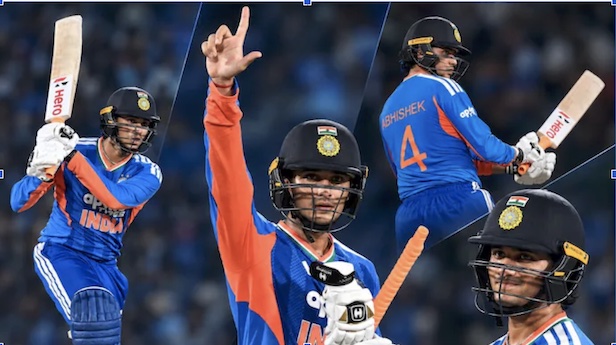
A six electrifies a stadium, but a well-managed sequence of singles can be just as important to an innings. T20 batting is an exercise in allocating risk across deliveries, partnerships and matchups. When comparing cricket online betting information around short-format games, observers may see individual boundaries overemphasized. The less glamorous details—dot-ball pressure, running between wickets and who faces the next over—often explain why an innings accelerates or collapses.
The hidden cost of a dot ball
A delivery yielding no run has consequences beyond the immediate score. In a limited-overs chase, repeated dots increase the rate required from remaining balls and may push batters into lower-percentage shots. Dot balls are not equally damaging, however. A defensive shot against a dangerous new-ball spell may be sensible if wickets are already down; the same response against a part-time bowler late in an innings can waste a valuable scoring opportunity. Match situation determines whether caution preserves resources or merely transfers pressure to the next batter.
Strike rotation as tactical leverage
Taking a single can change which batter faces a particular bowler, and that can be strategically valuable when the pairing has uneven strengths. A right-left combination may force the fielding side to adjust angles and placements repeatedly. Strong running also pressures fielders into rushed throws and can turn ordinary placements into two runs. The best partnerships do not simply maximize boundaries. They ensure the more comfortable batter receives a larger share of deliveries against favourable matchups while keeping both players engaged rather than allowing one to become stranded.
When a wicket costs more than the score suggests
A wicket removes a player and may interrupt the scoring rhythm while the incoming batter adjusts to pace and bounce. Its impact varies with batting depth. Losing a set opener with five capable hitters waiting is different from losing the final specialist batter. Some teams deliberately assign flexible batting positions to manage this effect, promoting a power-hitter or a stabilizer according to the match. Looking only at the number of wickets misses the quality and roles of the remaining batters, which are critical to forecasting the end of an innings.
Why innings are rarely linear
A side scoring seven per over through the middle phase does not necessarily finish at the same rate. Finishers target short boundaries and bowler-specific weaknesses; set batters take bigger risks when the end approaches. Equally, good death bowling can prevent acceleration. A useful projection therefore divides the innings into phases and examines remaining resources for each. It avoids both the pessimism of assuming a temporary slowdown will continue forever and the optimism of projecting one explosive over across the final ten.
Boundaries are outcomes of earlier decisions
A spectacular boundary is frequently made possible by several less visible deliveries. A batter may spend time judging the slower ball, learning which lengths the bowler trusts and identifying gaps in the field. Strike rotation can then force the captain to move fielders, opening a new scoring angle. On the other hand, a batter under dot-ball pressure may attempt a difficult shot without having established control. That is why a four or six should be interpreted as the conclusion of a mini-contest, not an isolated act of power. Ball-by-ball analysis becomes more insightful when it asks where the bowler tried to bowl, how the field was arranged and whether the stroke matched the batter’s strengths. This approach also explains why some apparently quiet innings are strategically excellent: the batter absorbs difficult overs, protects a partner and leaves manageable scoring opportunities for a better matchup later.
The value of a partnership
The real story of T20 batting is a series of decisions about whose wicket, whose strike and which ball is most valuable. For readers examining betting online, those sporting details deserve more attention than slogans promising a simple path to a result. Enjoy the competition on its own terms, and treat any stake as money that could be lost in full.
Leave a Reply