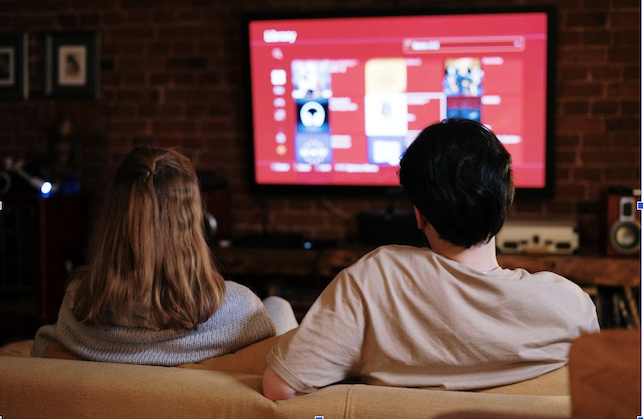
Entertainment habits have quickly shifted from physical venues to digital devices. This change directly affects social events as people redefine how they connect and spend time together through digital entertainment.
Shared leisure now depends not only on physical proximity but also on digital platforms that connect people across locations. This shift from face-to-face to online interactions alters but does not eliminate the need for social bonds.
These changes are visible throughout daily life. Digital entertainment now plays a central role in how people relax, maintain relationships, and structure their leisure time. Examining these patterns shows that while social practices persist, they are actively adapting within an increasingly online environment.
The shift from physical gatherings to digital spaces
People still seek shared experiences, but the setting has changed. Many social activities that once required physical presence now take place through group chats, video calls, live streams, and shared apps. Convenience has made online spaces standard, especially when time, distance, or busy schedules limit in-person interaction.
Younger generations, in particular, are more accustomed to forming and maintaining social connections through digital-first environments, making online shared experiences feel natural rather than secondary.
This does not mean physical gatherings no longer matter. It means they are no longer the only setting where social habits happen. A film night, a game session, or a catch-up with friends can now happen with everyone joining from home while still feeling like a planned social event.
People may sign in after work, open a group call, and chat while doing the same activity, even a game of online blackjack. Rather than organising a weekend in the city, visiting various casino hotspots and spending money on accommodation and restaurants, friends can get together for a quick game without the hassle.
These moments illustrate a broader social evolution. The shared experience, not just the activity itself, creates social meaning. Social events once tied to physical spaces are now being restructured through digital channels while maintaining their core purpose.
The rise of interactive digital entertainment
Digital entertainment is no longer passive. People participate, respond, and share experiences in real time with others. This interactivity makes online leisure feel more social, even when participants are not physically together.
This shift explains the rapid growth of interactive platforms. Multiplayer games, livestream chats, virtual events, and online casinos allow people to engage, communicate, and take part as events unfold. For example, most online casinos now include live table games and timed features to keep things interesting. This creates a stronger sense of involvement compared to passive viewing.
Changing social habits and new digital experiences
As more entertainment moves online, people are building new routines around it. Weekly catch-ups may now take place via a shared stream or an online game rather than in a physical venue. These repeated habits may differ from traditional ones, but they still help people mark time and stay connected.
The social side of leisure has become more flexible. Someone can join briefly, step away, and return without the coordination that in-person plans require. This flexibility fits modern life, where free time is often fragmented and needs to align with work, family, and daily responsibilities.
The role of trust and safety
As digital leisure expands, trust becomes increasingly important. People are more likely to return to platforms that are transparent, secure, and easy to navigate. This is especially important in environments involving financial transactions and personal data.
In regulated digital entertainment environments, tools such as deposit limits, self-exclusion options, age verification, and account controls are implemented to support safer participation and reduce risk. These measures help ensure that engagement remains controlled rather than excessive.
Clear promotional terms also contribute to trust. Transparent conditions allow users to fully understand offers before participating, aligning with industry-standard consumer protection practices.
Secure payment processes further strengthen confidence. Users tend to return to platforms where deposits and withdrawals are reliable and easy to manage. These safeguards ensure a stable, consistent experience over time.
Final words
Social events have not disappeared, but they have changed form. People still value shared habits, familiar routines, and accessible ways to spend time together, even when those interactions happen through screens rather than physical spaces. Digital entertainment now plays a central role in supporting these connections, reflecting the ongoing evolution of modern social events.
Leave a Reply