
Israeli wines exceeded my expectations. After tasting two whites and two reds, here’s my honest review of Israeli wines, tasting notes and why they’re worth trying.
By Kevin Wilkerson, PubClub.com Editor & Publisher
At first I admit I was skeptical. When I was provided four bottles of wines from Israel– a Sauvignon Blanc, a Chardonnay style and two reds – I was not sure what to expect. After all, when thinking great wine regions of the world, Israel hardly comes to mind. Napa Valley and Sonoma County in California, France, Italy and even Switzerland for those of us who have been there, yes.
But Israel? Not at all.
At first, I kind of had thoughts of a comedic episode of Seinfeld on wines from Isreal but no joking here, the wines are good. The New Jersey-based Israeli Wine Producers Association (IWPA) calls them “Modern Wine From Ancient Lands.” The country’s wine industry has its roots in the late 19th Century – one bottle I sampled, the 5th Generation Orient, is from a winery that has been around since 1848 – but it has mainly developed in the past few decades.
Israeli wineries combine ancient winemaking traditions with modern viticulture and sustainability practices, producing award-winning wines from both indigenous grapes and internationally recognized varietals. They have been praised by leading critics including Wine Spectator, Wine Enthusiast, Decanter and James Suckling.
“What makes Israeli wine so exciting right now is the balance of heritage and innovation,” said Josh Greenstein of the IWPA. “These are wines with thousands of years of history behind them, yet they feel incredibly fresh, vibrant, and relevant for today’s wine consumer.”
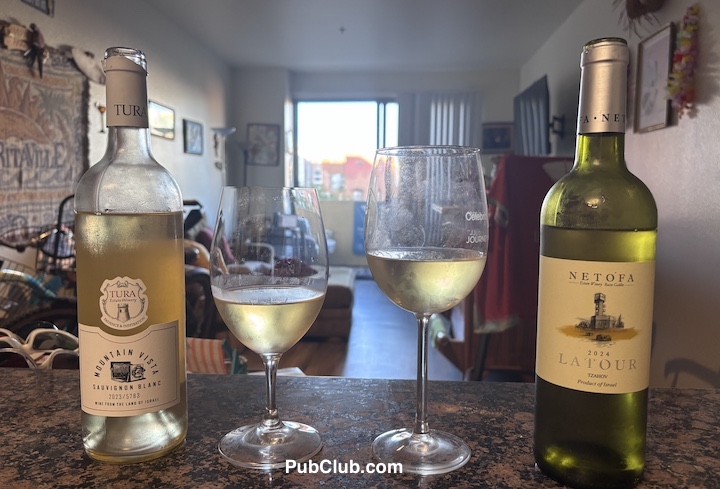
I will tell you this about them: they are most definitely not short on flavor. That was apparent with the first sip of Sauvignon Blanc. It’s flavor landed between my jaws and stayed there well after the first sip. Normally I don’t prefer Sauvignon Blancs because they are so light, but that’s not the case with this one (Mountain Vista from the Tura Estate & Winery). The Latour from Netofa Estate Winery is like a Chardonnay with 85% roseanne and 15% chenin blanc grapes, which blend together to form a smooth wine with moderate acidity.
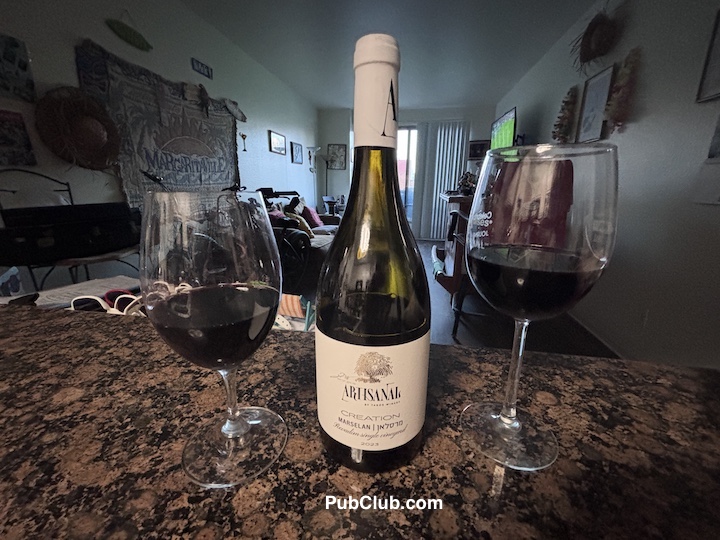
The Artisanal from Tabor Winery is from marselan grapes, which places it between Cabernet Sauvignon and Grenache. True to its profile, it has prominent flavors of red fruit and blackberry, with hints of spice and liquorice.

I was really anxious to taste the 1848 Winery’s Orient because of the age of the winery and I could tell why it’s been around so long. It has an interesting almost smoky flavor to it, which you don’t often get in wines. It’s a red blend comprised of 35% syrah, 34% marselan and 28% argaman, and that smoky flavor comes from the bold spice of the marselan. Argaman, by the way, is Israeli-developed grape so that’s unique to these wines.
Here’s something else I’ll say about these wines. They are pretty strong, more so than the average wine. I even got a slight buzz off the first drink of the Sauvignon Blanc. So I would classify these a sipping wines. Unless, of course, you have friends over and want to have a party.
Wines from Israel are increasingly available at liquor stores across the United States. The price point is wide, ranging from less than $20 a bottle to mid-range ($40-50) to more than $100. So the big question is this: if I were to see any of these wines in a store, would I buy it? The answer is simple: yes, especially the Latour and the Orient.
Kevin Wilkerson is the founder of PubClub.com, an award-winning journalist and nightlife expert who has covered wines, beers and spirits for more than two decades. While working as a newspaper reporter, he received an Associated Press award for investigative journalism.
Leave a Reply